On Tuesday, February 25, 2025, the Regulatory Reform Committee met. Andy Ellen, General Counsel of the Retail Merchants Association, was the first presenter. He characterized the environment as dire and needing for certainty and consistency in statutes addressing small businesses. He and Representative Hager supported voluntary environmental regulation concerning plastic disposal. One of his slides includes “what [they] are hearing from their members” regarding rules, rulemaking, and agencies.
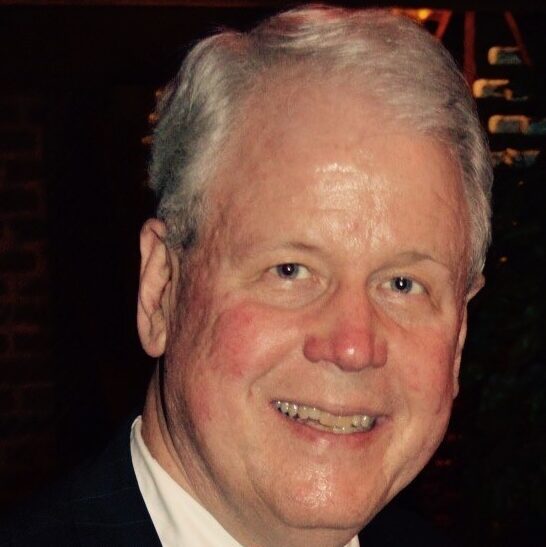
Chris Millis, Former Chair of this committee and now lobbyist for the North Carolina Home Builders Association, was the next presenter. His presentation included the following: there has been an average increase in the cost of housing of $160,000. The average mortgage is $420,000, requiring an income of $130,000. This amount is well above the average household income in North Carolina and has a devastating effect upon most individuals being able to qualify for a mortgage. Other issues which also have a devastating effect upon housing development are zoning and permits. In most municipalities, developers are required to enter into negotiations to obtain voluntary consent from the municipal and county governments relating to appearance controls, traffic controls, park support and other unrelated concerns to obtain the voluntary consent. On average, it takes 18 months to deal with these concerns. On average, it takes between three to four years to move from the purchase of property to develop and the time that the homes are occupied. Efficiency in the permitting process is absolutely necessary for reducing the time for permitting. Adequate staffing in permitting departments is key to accomplishing timely permitting. Reform concerning high-density municipal development is extremely needed.
In North Carolina, while the File & Serve (eFiling) system is widely implemented to streamline the filing process, there are still significant inconsistencies across different counties and courts. These inconsistencies can create challenges for legal professionals, including paralegals, who need to navigate the system for filing documents. Below are some of the most common inconsistencies with the eFiling platform across the state:
On September 27, 2024, North Carolina was hit by a major disaster when Hurricane Helene ripped through Western NC. In response to the tragedy, the North Carolina Bar Foundation activated Disaster Legal Services (“DLS”) – an effort where the North Carolina Bar Association’s (“NCBA”) Young Lawyers Division (“YLD”) coordinates with the Young Lawyers Division of the American Bar Association, the Federal Emergency Management Agency (“FEMA”) and Legal Aid of North Carolina (“LANC”) to provide disaster-related resources and services to the public. Supporting the YLD is the North Carolina Bar Foundation, the NC Pro Bono Resource Center, and the NCBA Paralegal Division (“NCBA PD”).
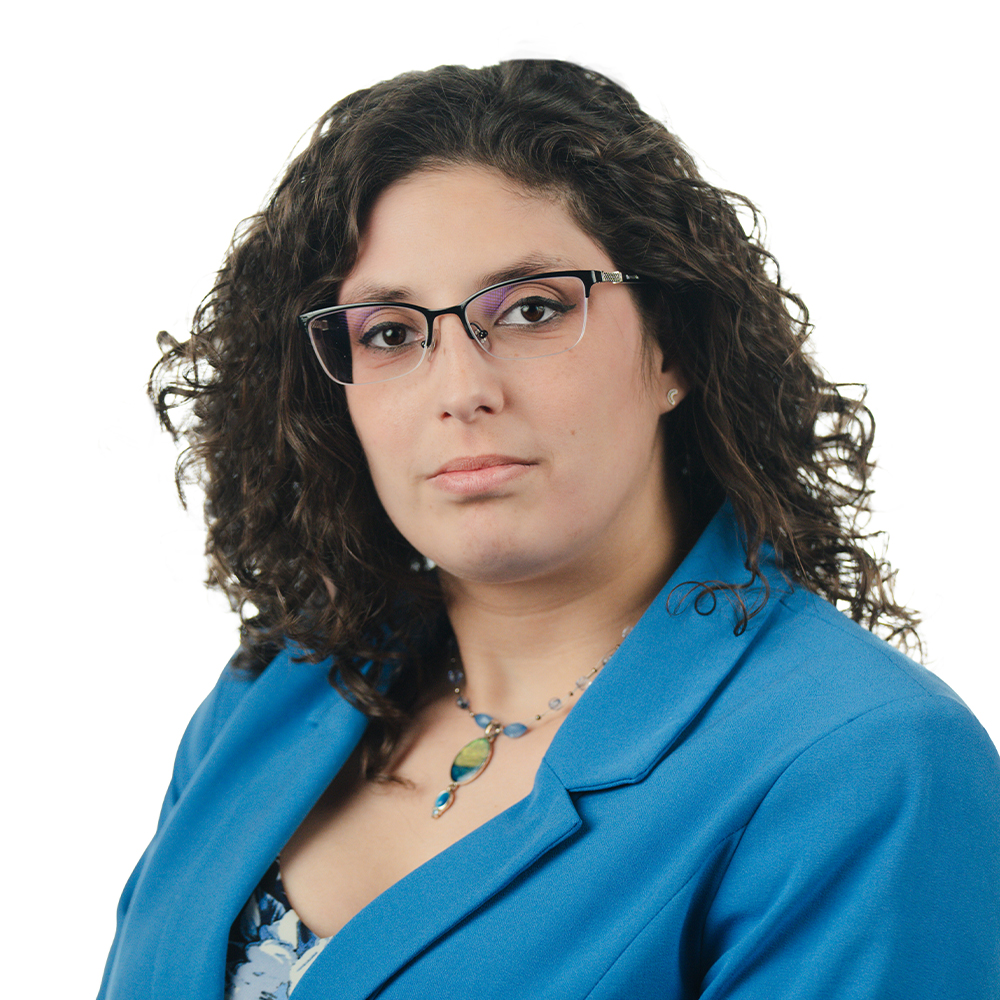
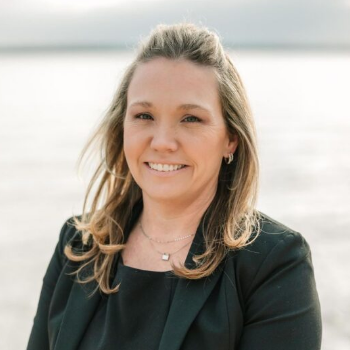
Catherine Hill has joined the firm’s Raleigh office, where she is a member of the Litigation Department. Hill has practiced as an assistant city attorney for Raleigh and Asheville for more than ten years. She currently represents local governments, private businesses and developers in North Carolina. She serves as the vice chair of the NCBA Zoning, Planning & Land Use Section. She holds a J.D. from Campbell Law School and a bachelor’s degree from North Carolina State University.
King Latham Law PLLC Announces New Associate Attorney
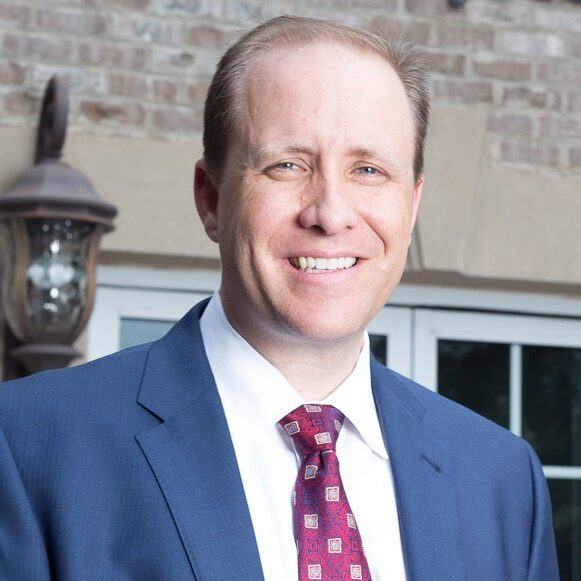
J. Elliot Millner has joined the firm. He holds a J.D. from Elon University School of Law, where he was named a Leadership Fellow. While he was in law school, he was a participant in the NCBA Minorities in the Profession Summer Associate Program. He received third place in the Black History Month 2022 Essay Contest. Before joining the firm, he served as an extern with the ACLU of North Carolina and as an intern with IQVIA. He received a bachelor’s degree, cum laude, from the University of North Carolina in 2020.
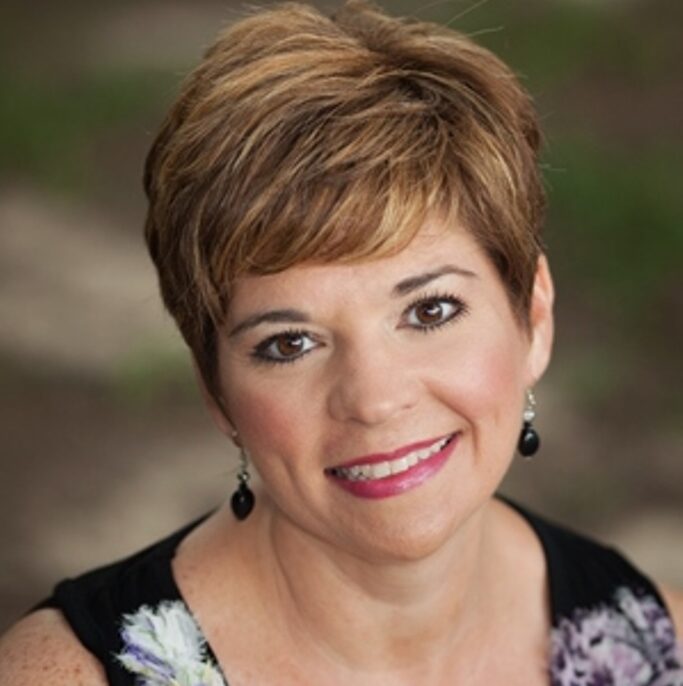
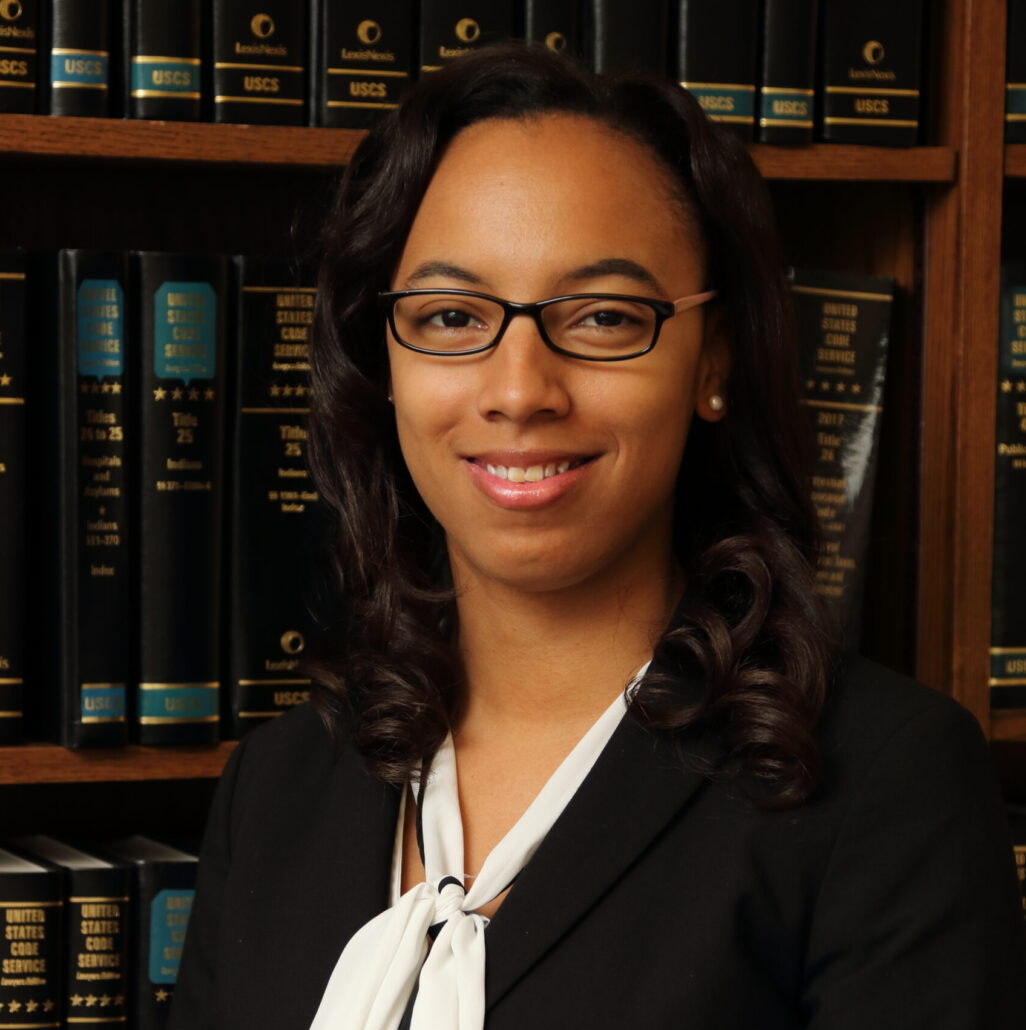
Debra Hall, known as Debbie to her colleagues and friends, did not set out to become a paralegal, but the field found her. She began her career as a computer programmer, a role that sharpened her analytical skills, which she now applies daily in contract management. When a legal opportunity opened up at a pharmaceutical research company, she stepped into her first paralegal role. With the company’s support, she pursued an associate’s degree in paralegal studies from Forsyth Tech.
Now a paralegal and contract manager at Inmar, Inc., based in Winston-Salem, Debbie supports in-house counsel by drafting, reviewing, redlining, and negotiating contracts. She also oversees corporate insurance programs, manages client communications, and mentors new paralegals.
Mastering the Art of Contracts
Debbie’s paralegal career has spanned corporate law, bankruptcy law, and contract management. She has worked on everything from NDAs to complex quality agreements (QAg) — a niche area many paralegals do not often encounter. The shift from a law firm to a corporate setting has been rewarding.
“I feel like the corporate environment has provided more room for growth, better benefits, and more opportunities,” she explains.
She enjoys the collaborative working environment of Inmar’s corporate legal department.
The North Carolina Bar Association’s Government and Public Sector Section is proud to present the North Carolina Department of Justice (NCDOJ) On-Demand Panel Series, a valuable resource for law students and lawyers interested in public sector legal practice. This series offers insights into the various sections and divisions within the NCDOJ, including Appellate and Post Conviction, Tort Claims, Public Assistance, Labor, Environmental, and Consumer Protection.
Section 1361(b)(1) provides a corporation can qualify for taxation as an S corporation only if none of its owners are nonresident aliens, foreign entities, partnerships, corporations, or ineligible trusts. An S corporation shareholder generally must be a U.S. resident individual, but there are several exceptions.
Section 1361(b)(1)(B) allows decedent’s estates, eligible trusts, and certain charitable organizations to own S corporation stock. The trusts eligible to own S corporation stock include grantor trusts under Subpart E (which are disregarded as separate from their grantor for income tax purposes), electing small business trusts (ESBTs), certain voting trusts, and qualified subchapter S trusts (QSSTs). Trusts must have specified provisions and beneficial owners to be ESBTs or QSSTs.
“Don’t worry, be happy.” Perhaps you remember the popular 1988 song that encapsulated a worldview. If it were only that easy, though, especially with the practice of law. It’s true that a person with a positive outlook tends to be happier and have more friends. We all want to be that person who is the life of the party, or at least be friends with them. But how can we, with the daily stresses faced with our law practices and client expectations, build or maintain a positive viewpoint on our law practice? Here are a few thoughts.
It’s important to keep your faults in perspective, recognizing them not as insurmountable flaws but as opportunities for growth. Everyone has imperfections, and acknowledging them with humility can pave the way for self-improvement. Similarly, we will make mistakes when practicing law. The good news is that there is often more than one way to accomplish a legal objective, and that mistakes are not always fatal to a case.
https://ncbarblogprod.wpengine.com/wp-content/uploads/2018/06/Blog-Header-1-1030x530.png00Professional Vitality Committeehttps://ncbarblogprod.wpengine.com/wp-content/uploads/2018/06/Blog-Header-1-1030x530.pngProfessional Vitality Committee2025-02-18 08:54:352025-02-18 08:54:46Thriving, Not Just Surviving: Tips for a Positive Law Practice
A little history about Law Day . . . President Dwight D. Eisenhower established the first Law Day on May 1, 1958, to provide an opportunity for the nation and legal community to reflect on the vital role law plays in maintaining justice and order, protecting our rights, and promoting democracy. In 1961, Congress officially designated May 1 as Law Day, a nationally recognized celebration.
https://ncbarblogprod.wpengine.com/wp-content/uploads/2018/06/Blog-Header-1-1030x530.png00NCBA YLDhttps://ncbarblogprod.wpengine.com/wp-content/uploads/2018/06/Blog-Header-1-1030x530.pngNCBA YLD2025-02-14 13:42:342025-02-14 13:42:34The Constitution’s Promise: Out of Many, One – Law Day 2025
Social media platforms have transformed the way individuals and professionals communicate, share information, and connect with others. For legal practitioners, these platforms offer powerful tools to engage with clients, promote services, and participate in public discourse. However, the use of social media also raises significant ethical considerations. Navigating these challenges requires an understanding of the intersection between legal ethics rules and the unique characteristics of social media.
Key Ethical Considerations for Legal Professionals for Social Media
Confidentiality
The duty of confidentiality is a cornerstone of the attorney-client relationship. Legal professionals must avoid sharing any client information on social media that could inadvertently reveal confidential details, even in anonymized scenarios. Even seemingly harmless posts about case outcomes or legal strategies may breach this duty if identifiable information is disclosed.
https://ncbarblogprod.wpengine.com/wp-content/uploads/2018/06/Blog-Header-1-1030x530.png00Paralegalshttps://ncbarblogprod.wpengine.com/wp-content/uploads/2018/06/Blog-Header-1-1030x530.pngParalegals2025-02-11 08:51:052025-02-11 08:57:16Social Media and Legal Ethics: Navigating the Digital Landscape