
My Paralegal Experience: Organizing While Building Strong Legal Relationships
In the beginning of my paralegal career, I thought I had to memorize every rule, every action and every hearing date. I learned quickly that it was not feasible. How do paralegals make sense of the profession while balancing deadlines, calendars, dockets and technology? How do paralegals keep learning when feeling stuck? What does a paralegal need to know in the beginning of their career that will serve them in years to come? These are the questions I asked myself early in my career.
1. How to make sense of the profession?
Making sense of everything paralegals must manage becomes straightforward once a routine is established. There are free digital calendars that can be used to help manage your workflow. Law Firms use legal practice management software, which is a bonus, but if you do not have access to that, then a free digital calendar is an option. Complete a Google search for the best digital calendar to help streamline scheduling, reminders and communication with everyone in the office. I would suggest a backup desk calendar for peace of mind as it will ensure that the deadlines are met in case of technical issues.
Keeping a notebook with different rules, procedures and phone numbers is a great idea. This will help you have access to what you need quickly. These things may also be kept in a digital folder, which allows everyone in the office access to this information. A digital folder or shared drive may house all the templates that your office uses, and if a mistake is made, an earlier draft can be restored. Your digital folders or shared drive should have a logical structure so anyone in the office would be able to find the information that they need. Permissions can be set on sensitive folders, allowing access only to specific individuals in the office.
The key to making sense of the profession is organization. Once you can manage your workflow, then anticipating problems and relying on a system becomes second nature. Organization will serve you well when an attorney asks for something specific, and you are already ahead of it because you anticipated the need and completed it last week.
2. How do paralegals continue learning?
As a North Carolina State Bar Certified Paralegal, continuing education is required each year. Complete your continuing education requirements in the field of law in which you work to stay abreast of any legal changes that you will need to be prepared for currently or in the future. It is great to take your continuing education in an area of law that you are not working in as this is another way to continue learning something new.
Master your firm’s administrative processes, software and specific workflows. When I worked in bankruptcy, I became proficient in Best Case (software), and I learned the financial management and credit counseling courses required of debtors and completed these courses as well. I figured that if I learned the process that the debtor went through, I could understand their case and answer any questions if they were having technical difficulties with the financial management and credit counseling courses. The firm I worked in at that time would also have the client pull their credit reports, and that is something I learned how to assist the client with as well.
Always be willing to learn because there is no task that is beneath you. Sometimes you will wear multiple hats. Learn the institutional knowledge of how the firm operates and share it because that teaches you how to be efficient and makes you indispensable, giving you the competitive edge.
3. What do paralegals need to know at the beginning of their career?
One of the most important lessons a paralegal will learn at the beginning of their career is that mistakes happen. It is what you do when you make a mistake that will make or break your career. You must take responsibility for your actions, as that will determine your professional reputation. When you take responsibility, the attorney learns they can trust you. This, in turn, will create a solid working relationship where you both lean on each other for professional support.
Build good rapport with court staff, attorneys, and other paralegals. These relationships will establish trust and understanding that foster long-term professional partnerships. For example, if you need a Word version of a document that was sent in PDF format, call the paralegal who sent it and ask if they can resend the document in a format that is amenable to you. If you have built a great working relationship with each other, issues like this can be managed with ease. Being kind and courteous goes a long way within the profession.
Being a paralegal can be an extremely rewarding career, and it is what you make of it that determines how far you will go in this profession. You must be willing to keep learning as you go, even if you stay where you are. Make professional connections and always lend a helping hand.
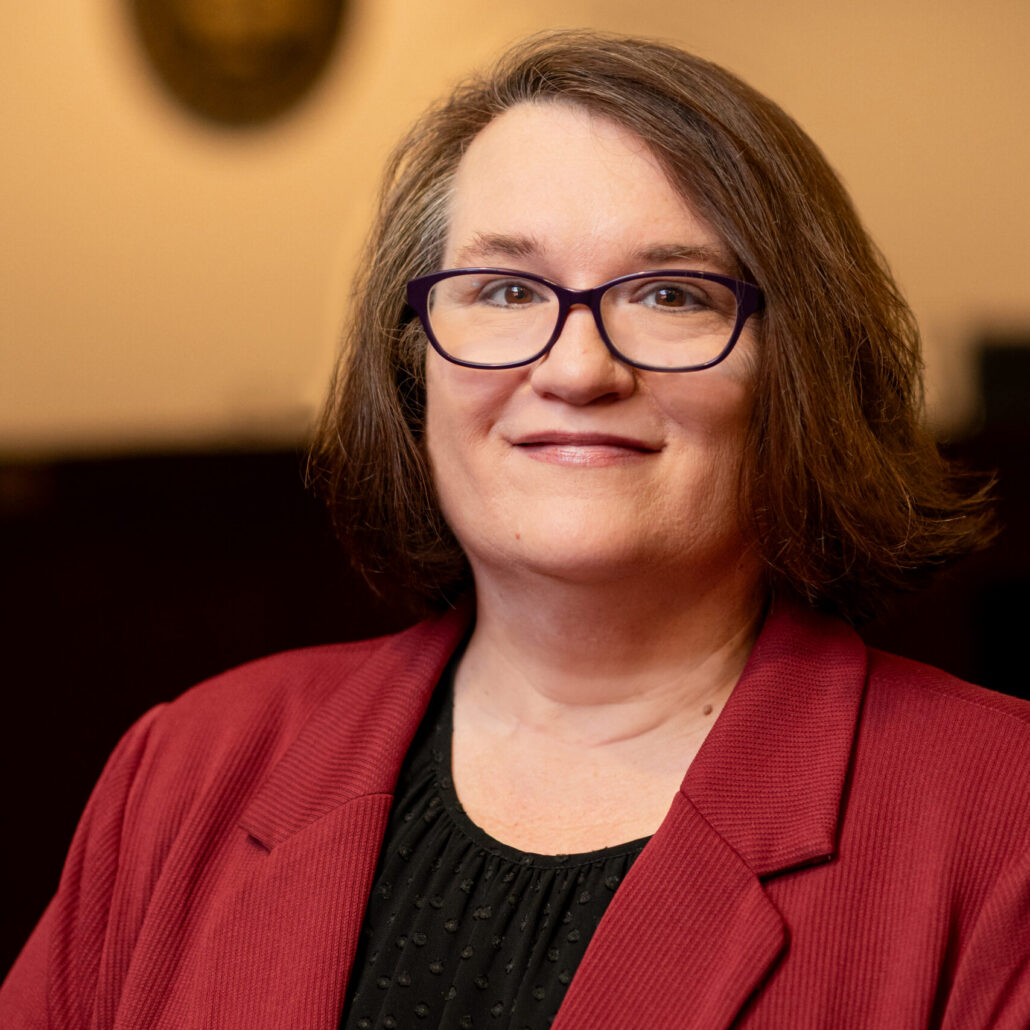
JoAnne Parrish Smith is a North Carolina Certified Paralegal with the Nash County Department of Social Services in Nashville, North Carolina. In her role, she specializes in juvenile matters, adult protective services and guardianships. She is passionate about community support and paralegal education.
***
The Paralegal Division Blog is managed by the Division’s Communications Committee. Via the blog, the Communications Committee provides information written by attorneys, paralegals, and other experts designed specifically for paralegals in the areas of substantive law, ethics, technology, paralegal practice advice, and more. If you are interested in signing up to submit a blog post on a future date, you can do so here. When you are ready to submit a blog post, you can do so by using this form.
You may also wish to participate in the Division by using our virtual suggestion box to submit suggestions/ideas to the Division Council, nominating a paralegal for Paralegal Spotlight, or completing the Paralegal Spotlight Questionnaire if you are nominating yourself. If you are interested in volunteering with the Communications Committee, please contact the Communications Committee Chair at [email protected]. If you are interested in joining other division committees, you can review a list of committees and sign up here.