
Exploring the Many Faces of International Legal Practice
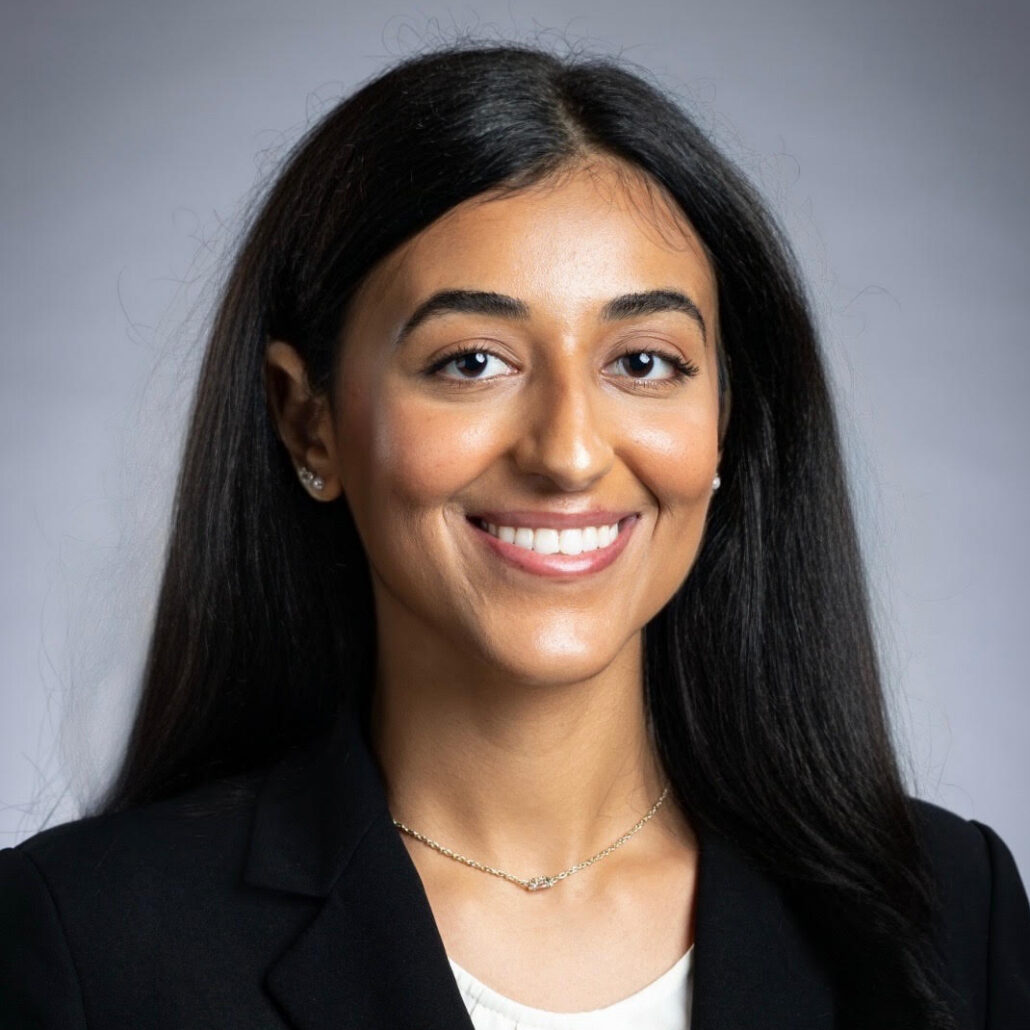
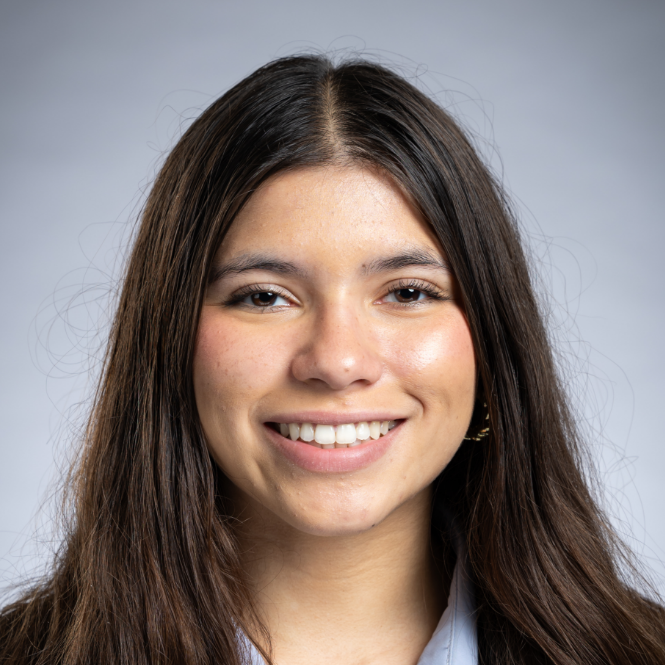
On October 6, 2026, Elon Law’s International Law Society and the North Carolina Bar Association’s International Practice Section hosted a panel featuring Shanelle Edmonds of Euonia Law Firm; Kurt Lindquist, an international disputes practitioner; Tommy Postek, Senior Corporate Counsel at Ahold Delhaize USA Services, LLC; Phillip Chritton, former UPS Deputy General Counsel-International; and Laura Miller, Partner at Kilpatrick Townsend & Stockton LLP. The discussion explored various aspects of international law and the skills attorneys need to work effectively across borders.
No single path
One of the most surprising aspects of the panel was the range of practice areas represented. The panelists discussed work involving employment issues, probate, branding, acquisitions, transactional matters, arbitration and other practice areas. Although their practices differed significantly, each panelist had encountered international matters within their work. This diversity challenged the idea that practicing internationally requires following one specific career path. Some attorneys build careers around cross-border transactions or disputes, while others encounter international issues through a practice area that may not initially seem connected to international law.
The panelists’ career paths also demonstrated how professional opportunities can lead attorneys in unexpected directions. Phillip Chritton discussed how working abroad in an international office led to a career focused on international practice, a path he had not originally planned. His experience illustrated how remaining open to new opportunities can lead to professional and personal experiences beyond an attorney’s original career plan.
For law students and young attorneys, choosing a practice area can feel like making a decision that will define the rest of their careers. However, the panelists’ experiences demonstrated that a legal career does not have to follow one fixed direction. Attorneys can explore new areas of law, transition between private practice and in-house roles, and pursue opportunities that build on or expand beyond their existing experience. A career that begins in one practice area may eventually lead to another, including international work that an attorney never initially anticipated. The panel reminded us that choosing a practice area is a starting point, not a lifelong commitment, and that remaining open to new opportunities can lead to unexpected and rewarding career paths.
More than knowing the law
International legal practice can look very different depending on the attorney, the client, the practice area and the countries involved. What connects these experiences is the need for adaptability, cultural awareness, curiosity and a willingness to continue learning. The panel highlighted that practicing across borders requires more than understanding the relevant law. Attorneys working with international clients may need to adapt to different time zones, communication styles, business practices and professional expectations.
Working internationally requires an appreciation for how other legal systems function. Procedures, professional expectations, and even how laws are applied can differ significantly from the U.S. system. Attorneys must be willing to learn those differences rather than assume that the practices they are familiar with will translate directly across borders.
Time differences alone can change the rhythm of legal practice. International attorneys may find themselves taking early-morning or late-evening calls to accommodate clients and colleagues in other parts of the world. Some international practices involve significant travel, while others require little travel at all. The nature of the work can vary just as much as the practice areas themselves.
Cultural fluency is another important part of the job. Understanding how people in different cultures communicate and conduct business can be just as important to developing a successful professional relationship as understanding the underlying legal issue. One discussion that particularly stood out was the difference in perceptions of American attorneys. Approaches that may be viewed as direct or assertive in the United States can be perceived differently in another culture. Recognizing those differences allows attorneys to adapt their approach while still effectively advocating for their clients.
That same adaptability applies to the substance of international legal work. The panelists emphasized the importance of staying informed about current events because developments around the world can have an immediate impact on the work an attorney is doing that day. International practice requires attorneys to look beyond the immediate legal question and understand the broader circumstances affecting their clients and their businesses
Conclusion — what we took away
The panel broadened our understanding of international legal practice and its many forms. International work is not confined to one practice area, and choosing a particular area of law today does not mean committing to it for the entirety of a legal career. As the panelists demonstrated, careers can evolve as interests change, skills develop, and new opportunities arise.
We also came away with a greater appreciation for the importance of cultural awareness, adaptability and continued learning. Legal knowledge is essential, but serving international clients effectively also requires an understanding of different professional expectations, legal systems and global developments.
For law students and young attorneys considering their own paths, perhaps the most encouraging lesson was that there is no single way to build an international legal career. Remaining curious, adaptable and open to unexpected opportunities can reveal possibilities that might not have been part of the original plan.
Both Isabella Reed and Leanne Hilou are 2Ls at Elon University School of Law and members of Elon Law’s International Law Society. Reed serves as an NCBA Law Student Representative, and Hilou is a founding member of Elon’s International Law Society and helped organize the panel.