
November DEI Newsletter
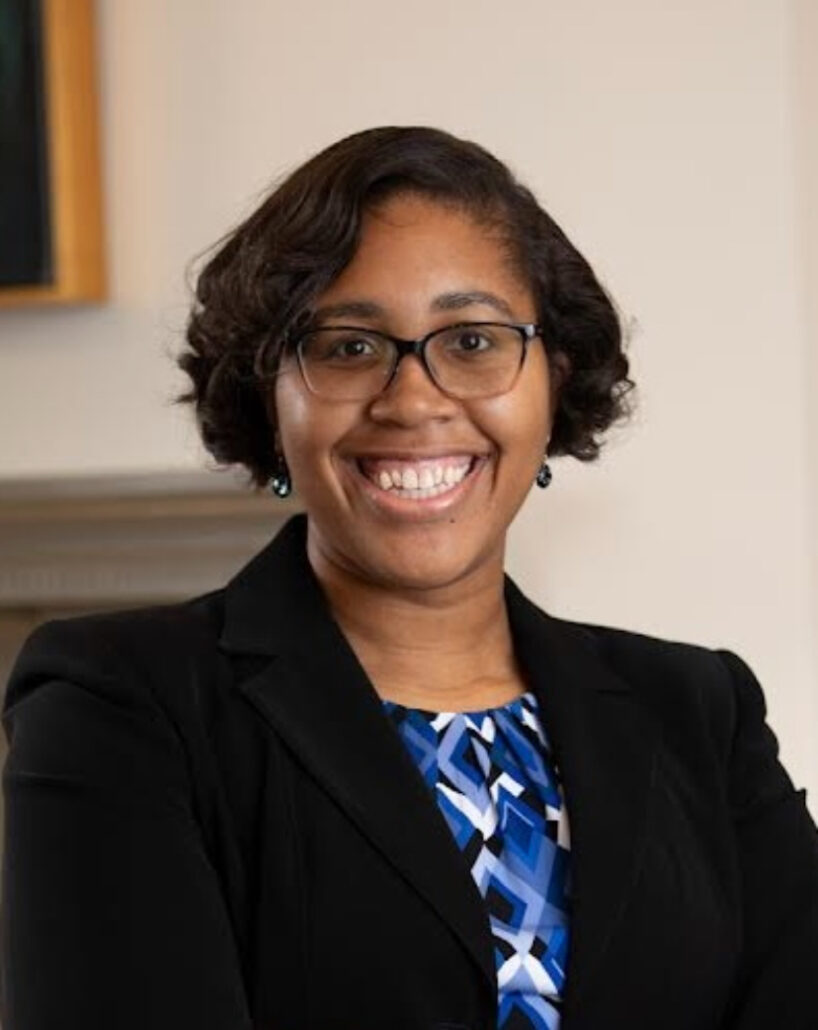
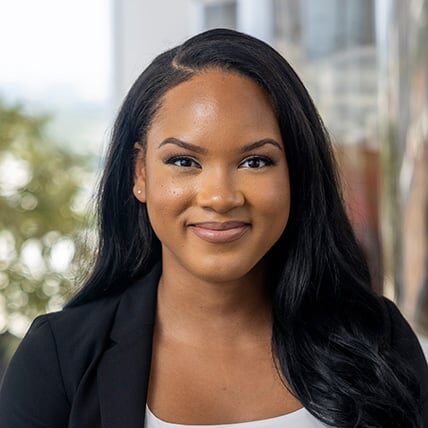
Greetings, everyone!
In line with our goal of increasing visibility within the NCBA, we are excited to share an upcoming virtual event that we’d love for you to attend. Mark your calendars for Wednesday, November 12, from 5 to 6 p.m. for “Bridging the Gap: Wisdom from the Bench & Bar.”
This event is an opportunity for you to hear from legal professionals from diverse backgrounds in various practice areas for a discussion with young lawyers and law students about the transition into practice, the importance of mentorship and inclusivity and the unique challenges related to identity.
Our panelists include district court judges and attorneys from both the public and private sector all across the state. Taylor and I planned this event to be virtual in the hopes of reaching as many people as possible. We strongly encourage your attendance, especially if you are a law student. Please reach out to us if you have not already received a link to register to attend this virtual panel.
Please also be on the lookout for next month’s newsletter, which includes details about two upcoming events:
- January 19 | MLK Jr. Day of Service
- Early February | 6 to 9 p.m. | MIP/YLD Joint Networking Event
Last but not least, Happy Native American Heritage Month! Each month, we will spotlight legal professionals relative to the applicable heritage month. We are elated to introduce you to our first featured professional. Meet Justin Russell.
James Russell
Justin is a citizen of the Choctaw Nation of Oklahoma and a descendant of the Cherokee Nation. He grew up in Austin, Texas, where he saw a city of rapid growth and opportunity, but also one of increasing inequality, which stood in contrast to the values he learned from his family and community.
Seeing how the legal system can shape the outcomes of communities motivated Justin to become an attorney. “Adversity often brings out the best in people, and seeing the resilience and strength of my communities as they navigated systemic challenges inspired me to become an attorney.” Whether it was learning about Tribal Governance and treaty rights from school, his mother and his grandmother, or witnessing local issues in Texas, it became clear to Justin that the law can be a mechanism for social change.
The American Bar Association data from 2022 shows that Native Americans make up only about 0.5 percent of the active lawyers in the United States. Justin desired to be a part of that small number and actively advocates for making that percentage much higher. The Choctaw value of “Iyyikowa,” which means serving those in need, is something Justin tries to live by every day. He has experienced intergenerational trauma and systemic challenges, which he includes as reasons for being a more effective and empathetic advocate for all clients, especially those from underrepresented groups.
Justin sees meaningful progress in the legal industry regarding DEI, largely fueled by bar organizations and younger lawyers. In his view, the conversation around DEI is no longer optional; rather, it’s central to the profession and is directly increasing the visibility of diverse attorneys in leadership roles.
“The strengthening of organizations like the National Native American Bar Association and the National Bar Association, and others, proves that diverse attorneys are proactively creating the necessary support systems and spaces for mentorship and networking. In regard to Native Americans and Indigenous peoples, key court decisions like McGirt v. Oklahoma and the growth of Native entity-owned businesses bolstering local economies have forced the broader legal community to educate itself on Federal Indian Law and Tribal Sovereignty. It has increased the demand for, and recognition of, Native American and Indigenous attorneys and those with deep cultural competence.”
When asked what diversity, equity and inclusion means to him, Justin answered:
- Diversity is the presence and recognition of all unique identities that enrich the legal profession, especially those too often overlooked, such as Native Americans and Indigenous peoples, individuals from rural backgrounds, and people with diverse cultural heritage, alongside their race, gender and sexual orientation.
- Equity is actively working to dismantle the systemic barriers that prevent diverse individuals from reaching their potential. It’s understanding that simply offering the same resources isn’t enough and that we must provide the specific support required to achieve equal outcomes. Equity recognizes that the adversity faced by marginalized groups is a burden that must be corrected, not simply endured.
- Inclusion is the creation of a space where all voices are not just heard, but fully valued, respected, and integrated into leadership and decision-making. Professionally, an inclusive environment is one where my perspective as a Choctaw attorney is seen as a professional asset.
We sincerely thank Justin for his willingness to share his lived experience with us to in turn share with all of you. We hope you enjoyed learning about him and his Native American heritage as much as we did.
Once again, we would love for you to join us, whether as a committee member or simply by attending our events. If you’re interested in becoming a member, you can sign up through the YLD committee sign-up page.
Thank you for taking the time to read our monthly newsletter, and we continue to look forward to working together.