
The Intersection of Law, Policy, and Disability Resources: An Introduction to NC Vocational Rehabilitation

A lawyer’s responsibility extends beyond the law. As an individual who was able to become a lawyer based on the support and resources provided to me by the…
Welcome to the 2023-24 Bar Year: A Message from the Chair

Dear Members of the Sports & Entertainment Law Section, It is a joy and a pleasure to have been given the privilege to serve as the chair of the section…
A Letter to My Younger Self
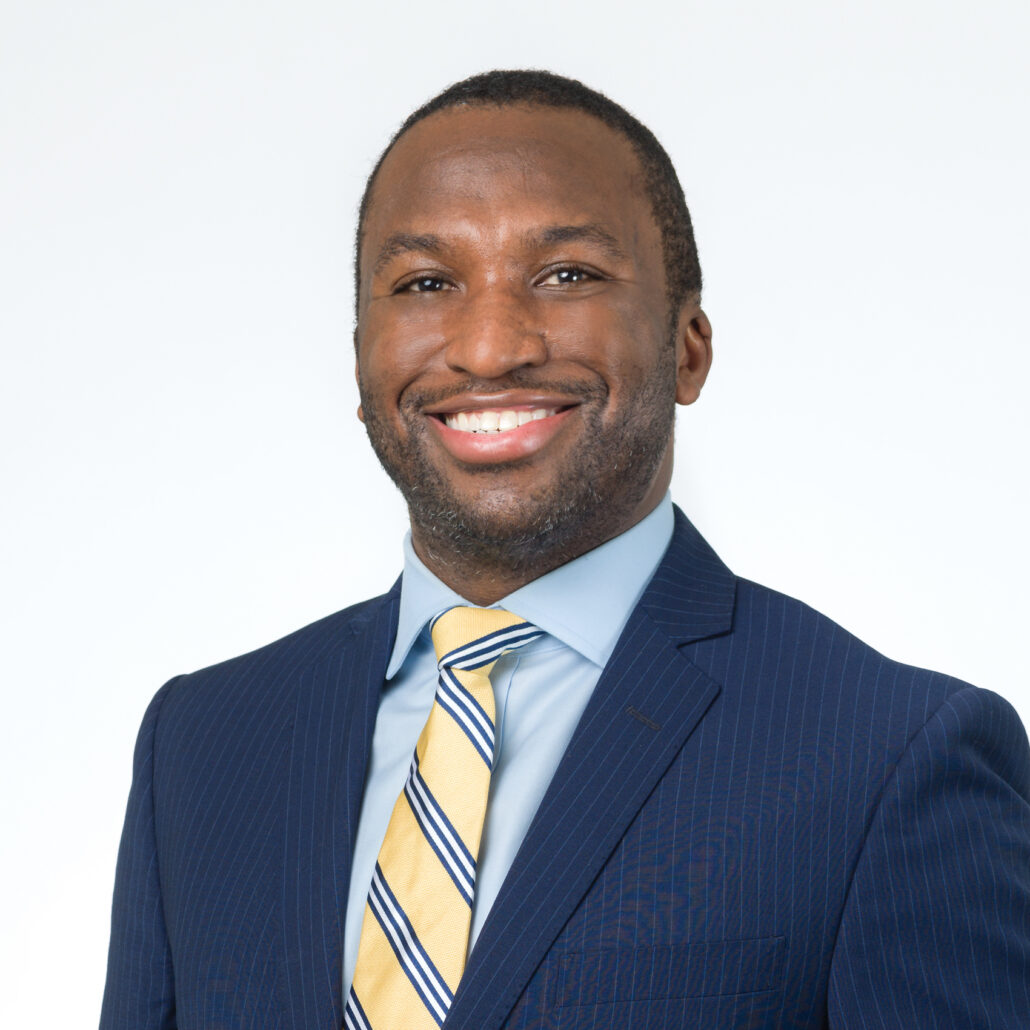
Dear 26-year-old Jonathan, Congratulations are in order. You’ve worked hard, graduated from law school, and passed the North Carolina Bar Exam! You’re the…
IRS Attacks Tax-Deferred Attorney Fee Structures



Sometimes publicity is a bad thing, and notoriety is even worse. That seems to be the case with respect to an apparent major change in the IRS’s views on…
How To Find Federal, State, and Local Government Jobs
Did you know that there are a variety of websites where you can find government jobs in North Carolina? Whether you are interested in federal, state, or local…
Searching for Volunteers for the Grab-a-Coffee Program: Fall 2023

Do you have time to grab a cup of coffee? Instead of taking this one to go, how about spending thirty meaningful minutes with a future lawyer? A half hour of…
Federal Income Tax Update: Part 3
Recent Cases Involving the Mailbox Rule, Time Limits for Filing Tax Court Petitions, and Equitable Tolling for Late Filed Petitions Over the last few months,…
August 2023 Appellate Recap: Let-the-Heat-Stop Edition

Welcome to the new bar year for the Appellate Practice Section! While you were weathering this oppressive summer, you may have missed out on some interesting…
A Message from the Tax Section Chair
Greetings to the NCBA Tax Section! I would like to welcome everyone to a new year of section membership and activities. On behalf of myself and the Tax…
Checking In: August 22, 2023
Compiled by Jessica Junqueira Collins Family & Elder Law Group Adds New Attorney Shayna Matheny is now an attorney with the firm, and she will practice in…