
Understanding the Estate Administration Process in North Carolina
Losing a loved one is never easy, and dealing with legal paperwork in the midst of grief can feel especially overwhelming. If you’ve been asked to help manage an estate, you might be wondering, “Where do I even begin?”
Take a breath. You’re not alone, and with the right guidance, this process can feel far more manageable than it first appears.
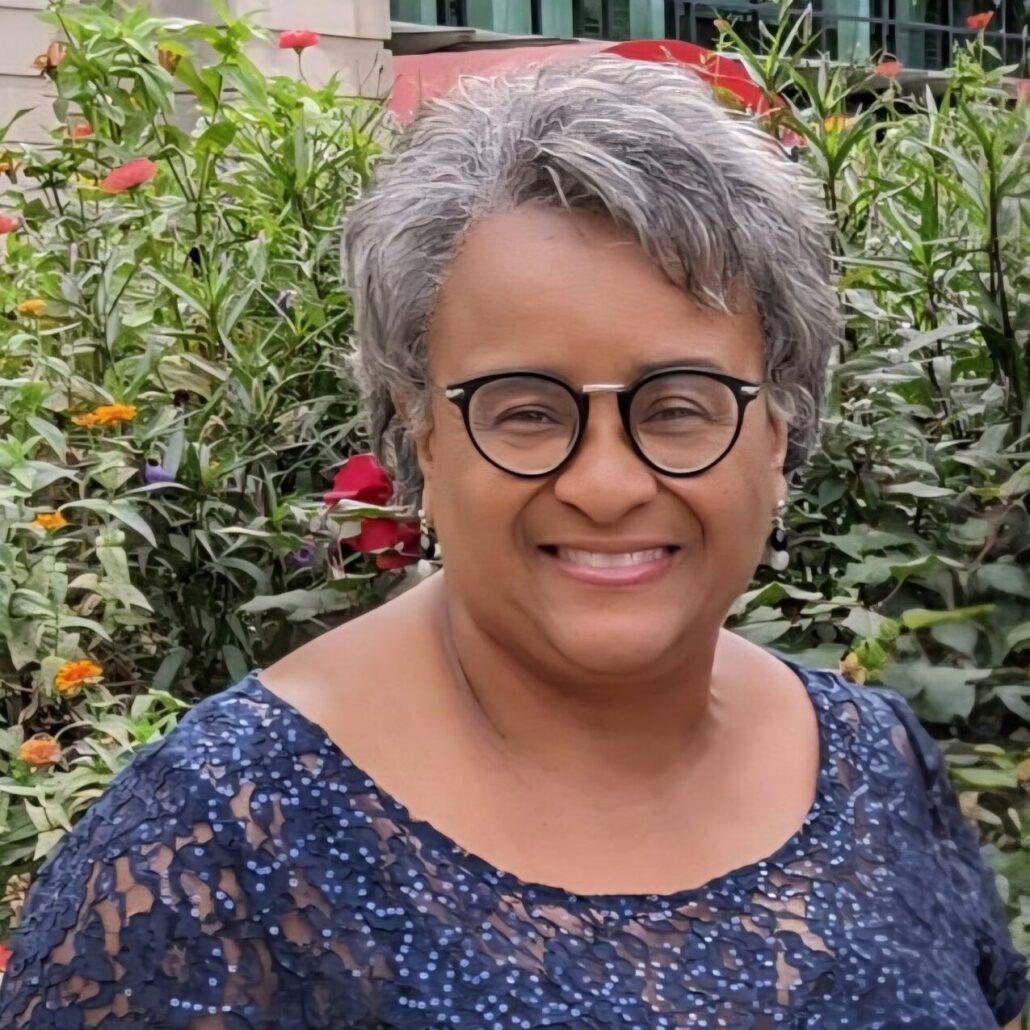
I’m Bernice Kendall, an estate administration paralegal with over 30 years of experience helping North Carolina families navigate this journey. From my time in the Wake County Clerk of Court’s Wills and Estates Division to years in private practice, I’ve guided many through these exact steps.
In this post, I’ll walk you through the estate administration process in North Carolina one step at a time so that you know what to expect and how to move forward with confidence. Please note that this is general information, not legal advice. For guidance specific to your situation, I recommend consulting a qualified attorney.
Step 1: Start by Gathering What Matters
Before anything else, think of this step as creating a roadmap.
Locate and organize key documents such as:
- The original will (if one exists)
- Death certificate
- Bank and financial statements
- Property deeds
- Insurance policies
- Outstanding bills or loan information
Getting organized early can save you time, reduce stress and prevent delays later. In a moment that may feel chaotic, this simple step can bring a surprising sense of clarity and control.
Step 2: Open the Estate
Next, the estate must be formally opened with the Clerk of Superior Court in the county where your loved one lived. In North Carolina, the Clerk of Superior Court has jurisdiction over estate proceedings.
At this stage, the court appoints someone to manage the estate:
- Executor (if there is a will)
- Administrator (if there is no will)
Once appointed, this person —called the personal representative — is officially authorized to act on behalf of the estate. Think of this as receiving the green light to begin handling financial and legal matters.
Note: Attorneys are required to file documents electronically. It’s always a good idea to contact your county clerk’s office for specific instructions.
Step 3: Notify Heirs and Beneficiaries
Transparency is key.
In North Carolina, the clerk typically sends notice to beneficiaries named in the will. The personal representative may also provide notice. This ensures everyone involved is informed and aware of the process.
Clear, early communication can help prevent misunderstandings and avoid potential conflicts down the road.
Step 4: Identify and Inventory Assets
Now it’s time to take a full inventory of the estate.
This includes:
- Real estate
- Bank and investment accounts
- Vehicles
- Personal property
- Business interests
- Other valuables
In North Carolina, an official inventory must usually be filed within three months of the appointment. This document establishes the value of assets as of the date of death.
This step can take time, especially if assets are spread across multiple institutions or require appraisals, but a thorough inventory lays the foundation for everything that follows.
Step 5: Address Debts and Notify Creditors
Before assets can be distributed, debts must be handled.
North Carolina requires:
- Direct notice to known creditors
- A public notice (typically in a local newspaper) for unknown creditors
Notice to creditors is published once a week for four consecutive weeks, giving creditors three months from the date of the first publication to submit claims. The personal representative reviews these claims and pays valid debts using estate funds.
While this step may feel procedural, it’s essential, and it ensures the estate’s financial obligations are properly resolved before moving forward.
Step 6: Distribute the Assets
Once debts, taxes, and expenses are settled, the remaining assets can be distributed.
- If there is a will: follow its instructions
- If there is no will: North Carolina intestacy laws determine distribution
This stage may involve:
- Transferring property titles
- Retitling accounts
- Selling certain assets
Each estate is unique, so timelines vary, but the goal remains the same: ensuring assets are passed to the right people in the right way.
Step 7: Close the Estate
The final step is closing the estate.
This typically involves submitting a final accounting to the court that details:
- Assets received
- Payments made
- Distributions completed
Once approved, the court releases the personal representative from their duties, and the estate is officially closed.
Final Thoughts
Estate administration may seem complex at first, but when broken down into clear steps, it becomes far more approachable. With organization, communication, and patience, you can navigate this process with confidence, even during a difficult time.
And remember, you don’t have to figure everything out on your own. Seeking professional guidance can help ensure the process is handled properly and provide peace of mind.
Taking it one step at a time isn’t just practical — it’s the best way forward.
***
The Paralegal Division Blog is managed by the Division’s Communications Committee. Via the blog, the Communications Committee provides information written by attorneys, paralegals, and other experts designed specifically for paralegals in the areas of substantive law, ethics, technology, paralegal practice advice, and more. If you are interested in signing up to submit a blog post on a future date, you can do so here. When you are ready to submit a blog post, you can do so by using this form.
You may also wish to participate in the Division by using our virtual suggestion box to submit suggestions/ideas to the Division Council, nominating a paralegal for Paralegal Spotlight, or completing the Paralegal Spotlight Questionnaire if you are nominating yourself. If you are interested in volunteering with the Communications Committee, please contact the Communications Committee Chair at [email protected]. If you are interested in joining other division committees, you can review a list of committees and sign up here.