
Where Service Becomes Leadership: Pro Bono in the Lives of Emerging Lawyers
This spring, the YLD Pro Bono Leadership Cohort came together through a meaningful series of pro bono clinics, civic engagement programs and community-building events across North Carolina. Rather than functioning as isolated service opportunities, these experiences collectively reflected a shared commitment to access to justice and helped participants begin to see pro bono service as something deeper than an obligation, an evolving part of professional identity, leadership and how we show up in the legal community.
Throughout the spring, cohort members engaged in hands-on service, collaborative programming, and informal networking that created space not only for legal impact but also for reflection, relationship-building and professional growth.
Spring 2026 Programming Highlights
The cohort participated in the following events:
- NCBF + NCBA YLD Free Legal Answers Empower Hour (1/24)
- Corporate Counsel Section Expunction Clinic through Legal Aid North Carolina (2/6)
- NCBF + NCBA Pro Bono Committee Free Legal Answers Empower Hour (2/13)
- Breaking Barriers + Joining the Table (Civic Engagement Roundtable, 2/28)
- YLD Lawyers on Call (4ALL) Pro Bono Party (3/6)
- Opt Inspire LLC Tech Literacy Training for Senior Citizens in Winston-Salem (3/11)
- NCBF + NCBA SOGI Committee Name Change Clinic (3/14)
- Legal Aid NC Raleigh Pro Bono Collaborative Expunction Clinic at Smith Anderson (3/19)
- NCBF + NCBA Pro Bono Committee Free Legal Answers Empower Hour (3/26)
- Swing Into Spring: Networking Lunch + Golf Social at Lonnie Poole Golf Course (4/11)
- Think Before You Click: Online Crimes and What To Do If It Happens to You (Cyberbullying in Schools Pilot Program — Durham) (4/20)
Across these experiences, what stands out is not just the volume of service but the way cohort members consistently stepped into unfamiliar spaces, whether assisting clients directly, supporting clinics, engaging in civic dialogue or participating in educational outreach, and treated each moment as an opportunity to learn, serve and grow as emerging legal professionals.
Voices from the YLD Pro Bono Leadership Cohort
We recognize that each member of the Pro Bono Leadership Cohort brought a unique background, path to the legal profession and set of lived experiences that shape how they engage in service. As we reflect on this spring’s programming, we invited cohort members to share not only what they did but how they experienced this work, and what it meant to them personally and professionally.
To capture those perspectives, we invited reflections on community impact, personal growth and professional identity and leadership:
Community Impact
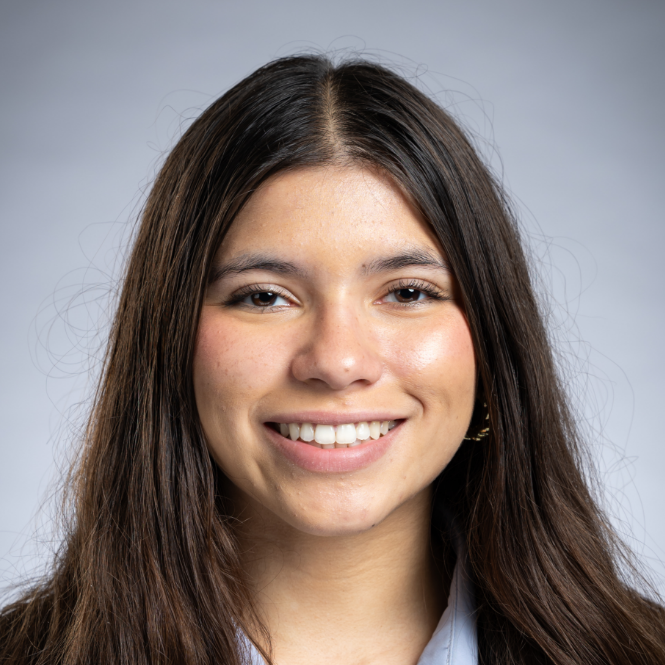
Isabella Reed (Elon University School of Law student)
“Hearing how much of a positive impact a service opportunity has on the community always encourages me to get out and volunteer more. Despite all the busyness of law school, it’s nice to take a step back from studying and see how lawyers can make a real impact on the community. I volunteered with the Lawyers on Call program and was responsible for transferring calls to the correct attorneys, and even with just a couple minutes on the phone with clients, I was able to hear how much the program helps put their minds at ease when they have a legal problem or question.”
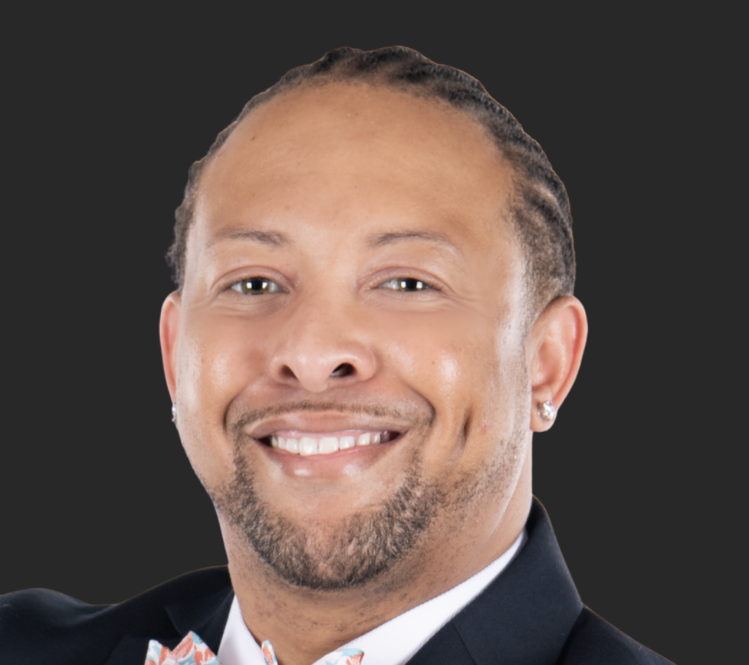
Joshua Batchelor (North Carolina Central University School of Law student)
“When I look at the sheer volume of people reaching out for help, especially those who have nowhere else to turn, it’s impossible not to see how deep the need runs across all 100 North Carolina counties. My pro bono work allowed me to experience firsthand what had previously been just ‘access to justice’ statistics. Whether there’s an individual who is simply attempting to understand their rights, navigate a crisis, keep their families stable, create wills, or prevent scam attacks, it is undeniable that the people and their needs breathe life into the statutory and regulatory letters of the law. Coming from a background in education and community-centered work, I stand on the ability and principle of meeting people where they are. But seeing how many North Carolinians are searching for guidance, often for the very first time, shifted something in me. It reminded me that the law isn’t abstract. It’s personal. And when someone trusts you enough to ask for help, even as a law student, that’s a responsibility you feel for a lifetime, and you shouldn’t take it lightly.”
Personal Growth
Isabella Reed (Elon University School of Law student)
“With NC Free Legal answers and Lawyers on call, I was able to quickly assess and categorize legal problems, which felt like a worthy application of my studies so far. In undergrad, I was an AmeriCorps volunteer, and I had the opportunity to work in early education. I also volunteered with a community legal services group and worked in fair housing. So, I have always enjoyed volunteer work, and when I learned about the opportunity to join the pro bono cohort, I was very excited. I aim to approach service and civic engagement with empathy and understanding. The cohort has given me an opportunity to participate in pro bono work while also engaging more with NCBA.”
Joshua Batchelor (North Carolina Central University School of Law student)
“The pro bono experiences forced me to slow down and really look and listen, which, in turn, has catapulted my application and analysis of the law. I learned that being effective in this profession isn’t solely a matter of procedural and substantive rules; it’s about translating results in a way that gives someone clarity and dignity, which in turn may be its own form of justice. My own path to law — coming from leadership, education, and service — shaped my appreciation for and approach to every interaction, yielding to others’ needs and striving to do good for worthy causes. I’m increasingly realizing that I’m at my best when I help people make sense of uncertainty. That’s the educator in me, and the emerging lawyer. Pro bono work continues to push me to develop confidence in my skills while staying grounded in humility. Learning the law is important; using it responsibly is essential.”
Professional Identity & Leadership
Isabella Reed (Elon University School of Law student)
“Pro bono service allows me, as a law student, to give back to the community alongside practicing attorneys. I have experienced how refreshing pro bono service is, as it really is impactful work. I will be carrying this forward by carving out time to participate in pro bono work and encouraging others to do the same!”
Joshua Batchelor (North Carolina Central University School of Law student)
“Integrating pro bono work into my life through Pro Bono Cohort doesn’t feel like ‘extra service’ — it is the alignment I need. The experience in the program aligned what I perceived to be the essence of a lawyer with the vivid and uncontradicted requirement to be an impactful legal practitioner, so as not to perceive service as a box to check, but as a part of your being, an ongoing, continuous commitment to serve and lead in this profession with dignity and trust in your community. Engagement with community members and the legal professionals has made it even clearer that the legal field needs practitioners who show up with a servant-leader mindset, people who understand that leadership in law is as much about accessibility and compassion as it is about technical skills. As a man devoted to humanitarian and public service, I remain committed to serving the greater good as a core part of my professional identity. Whether I’m in a courtroom, a mediation room, or a community space, I want to carry forward the belief that the law should meet people where they are. Pro bono work didn’t just shape my perspective; it clarified the kind of lawyer and leader I’m determined to be with persistence and clarity.”
From Service to Systems Change: Best Practices for Civic Engagement and Pro Bono Leadership
This year, the YLD intentionally embedded civic engagement and pro bono service as connected pathways for leadership development and professional identity formation. The following best practices, developed through the work of Division Director Alex Gwynn, are intended to support YLD members interested in stepping into leadership roles within the Civic Engagement and Pro Bono Division in the upcoming bar year.
Best Practices for Civic Engagement as Leadership Development
1. Make Civic Engagement Part of Professional Identity
Civic engagement should not feel like an “extra” responsibility. Members should be encouraged to view service as a natural extension of their legal training and an integral part of professional identity formation, reinforcing the role of lawyers as civic actors. This approach strengthens the pipeline from legal education to leadership within boards, commissions and broader public service roles.
2. Collaborate Across NCBA Sections
Partnering across sections expands programming reach and strengthens cross-practice engagement by connecting attorneys, law students and practitioners across different areas of law, increasing collaboration and broadening access to meaningful service opportunities.
3. Engage Members Early and Before Planning Programming
Surveying members ensures alignment with interests and fosters inclusive programming by systematically incorporating member feedback into program design and decision-making. This approach strengthens responsiveness, improves participation across diverse member groups and ensures programming reflects the evolving needs and interests of attorneys, law students and practitioners.
4. Make Programming Accessible to All YLD Members
Ensure events are accessible across regions, practice areas, and experience levels so all members have meaningful opportunities to participate. The YLD maintains a strong commitment to diversity, inclusion and belonging, and programming should intentionally reflect and advance those values.
Best Practices for Expanding the Pro Bono Service Pipeline
1. Coordinate Early and with Existing NCBF Programs
Align with existing NCBF and NCBA pro bono programs to ensure compliance with established processes, leverage existing infrastructure and expand opportunities for meaningful volunteer engagement.
2. Partner with NCBA Sections for Pro Bono Events
Cross-section collaboration enhances engagement and networking by leveraging relationships across NCBA sections to expand program reach, increase volunteer participation and create meaningful opportunities for young lawyers to serve alongside experienced practitioners. These partnerships also strengthen connections between public interest, private practice and in-house counsel, fostering a more integrated and collaborative professional community.
3. Clarify Eligibility for Volunteers
Clearly communicate whether events are open to attorneys, law students or both to ensure clarity, support effective planning and maximize participation across experience levels.
4. Highlight National Pro Bono Month
Highlight National Pro Bono Month by creating a centralized statewide coordination framework that aggregates and promotes pro bono opportunities across NCBA sections, NCBF, Legal Aid NC, law schools and community partners. This effort strengthens the visibility of service pathways, reduces silos across organizations and supports a continuous pipeline of engagement for law students, young lawyers and experienced practitioners. It also reinforces pro bono service as a core component of professional identity and leadership development.
5. Create a Welcoming Experience for Volunteers
Create a welcoming experience for volunteers by establishing intentional onboarding, consistent communication and designated liaisons to support participants throughout their service experience. A structured and welcoming environment improves volunteer confidence, increases participation and strengthens long-term engagement across law students, young lawyers, and practitioners. This approach reinforces service as an accessible entry point into civic leadership and professional identity development.
Looking Ahead — Upcoming Opportunities
The YLD Pro Bono Cohort continues to function as a structured pathway for civic engagement, mentorship and leadership development. These upcoming opportunities reflect the cohort’s ongoing commitment to “designing the civic lawyer” in practice, where professional identity is formed through service, and leadership is developed through sustained engagement with communities, peers and partner organizations.
- April 25 — NC + GA YLD Networking, Service and Impact (Asheville)
Contact: Alex Gwynn - May 14 — Technology Training and Scam Prevention for Senior Citizens (Cary, NC | 2 to 3 p.m.)
Contact: Sheila Spence - May 30 — Wills for Heroes (Charlotte, NC | 9 a.m. to 4 p.m.)
Contact: NCBF - June 10 — Wills for Heroes for Asheville First Responders (Virtual | 8:30 a.m. to 2:30 p.m.)
Contact: NCBF