
Paralegal Spotlight: Cody Worrells
From Airborne to Litigation: How Cody Worrells Learned to Love the Work
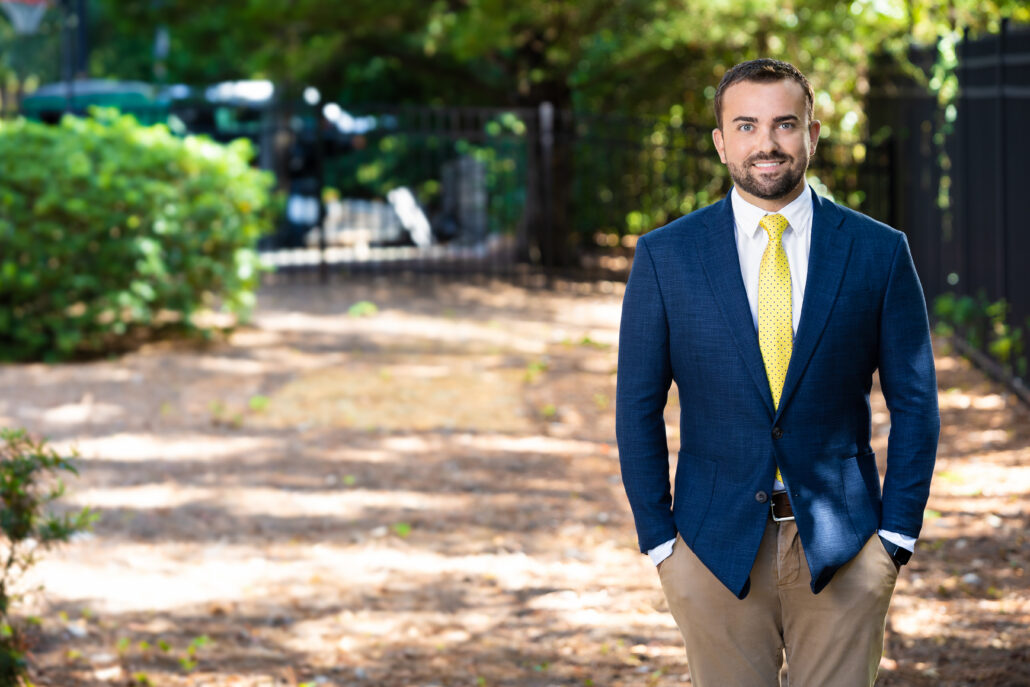
Cody Worrells did not grow up dreaming of becoming a paralegal, nor did he enter the profession with a carefully mapped-out vision.
One year after starting college, Cody realized school “was not for me” and decided to join the Army instead. When the Army handed him a list of career options, “paralegal” sounded like the least bad choice. The alternatives? Packing parachutes as a rigger or becoming an intelligence analyst.
“The intel stuff sounded boring,” he recalled with a laugh. “The rigger sounded like I’d definitely end up jumping out of a plane. And, as it turned out, I ended up jumping out of planes anyway.” After Airborne school, Cody served with the 82nd Airborne Division. He later served with the 3rd Special Forces Group and 4th Psychological Operations Group as a Staff Sergeant supervising junior paralegals.
Today, Cody manages litigation staff across multiple offices for Ward and Smith, P.A., and teaches aspiring paralegals at Cape Fear Community College.
The Side of Legal Work Most People Never See
When people think of the military, they don’t often think about the legal system operating underneath it. As a Judge Advocate General’s Corps (JAG) paralegal, Cody spent years handling investigations, separations, disciplinary proceedings, and serious criminal matters. The role is similar to civilian paralegal work, but in a military environment with a much broader operational scope.
The constant exposure to some of the military’s most difficult cases shaped how Cody viewed the legal profession. By the time he left the military, after six years of doing legal work, Cody did not plan to continue in the field.
“I think my brain associated paralegal work with bad things,” he admitted.
Learning the Profession a Second Time
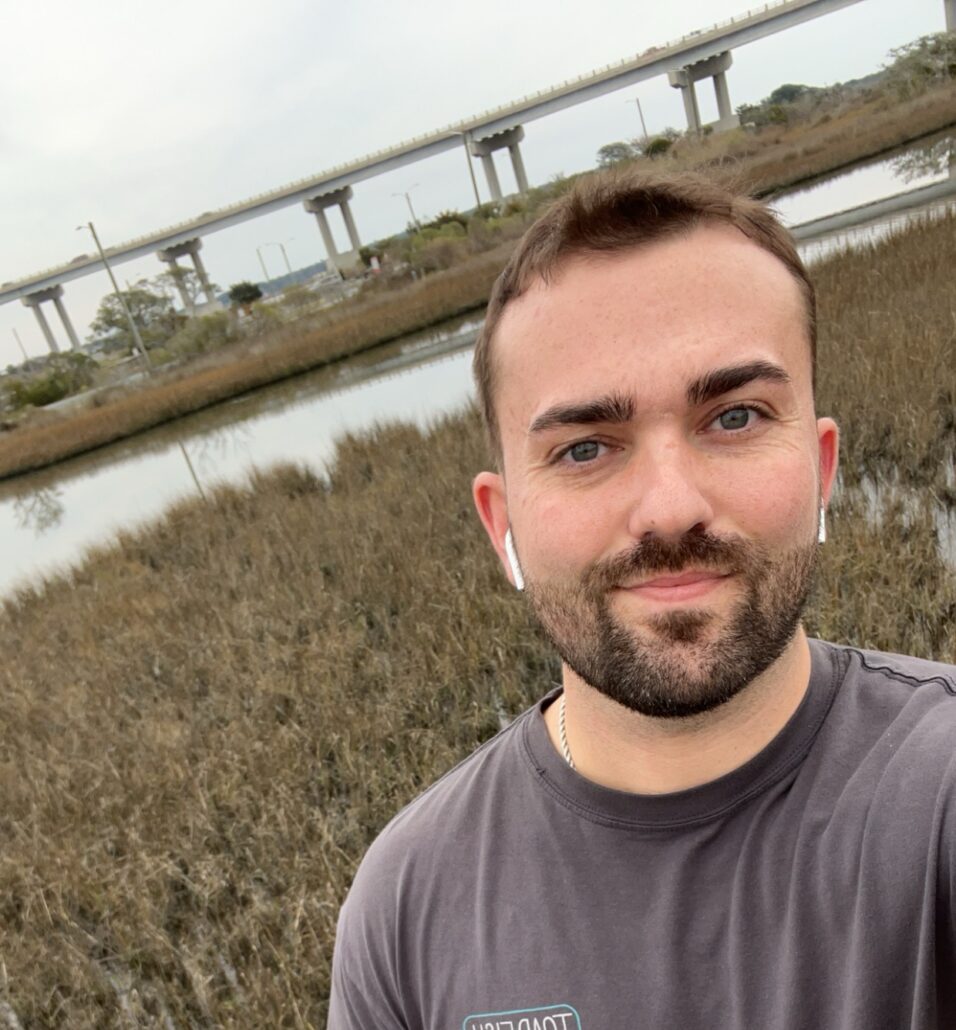
Cody’s return to the profession began when he joined Ward and Smith in 2021 as a Litigation Administrative Assistant in the Family Law section, despite having served as a senior paralegal in the military. The position was not necessarily the role he expected to take, but within six months, he transitioned into a Family Law paralegal role. He later moved into work involving different subject matters, including trust and estate litigation, some federal court and business court matters.
As Cody’s civilian legal career grew, so did his responsibilities at Ward and Smith. After four years with the company, he now supervises 24 direct reports and supports 42 attorneys across the firm’s growing litigation practice.
While working full-time and managing a demanding commute between Holly Ridge and Wilmington, Cody returned to college. He earned his associate degree in Paralegal Technology from Cape Fear Community College in 2023, and he obtained his North Carolina Certified Paralegal designation in December of the same year. He earned his bachelor’s degree in legal studies from Purdue Global University in October 2025.
“You Have to Really Want It”
Civilian litigation changed how Cody connected to legal work. Instead of seeing the profession through investigations, discipline and criminal matters, he began to see how legal work could help clients solve problems. “You’re fighting for what’s best for your client.” For the first time, the work began to feel meaningful. But finding meaning in the work did not make the work easy.
Cody does not sugarcoat the pressures of the profession. “There’s nothing lax about our jobs,” he said. “You have to really want it.”
He approaches teaching the same way he approaches his work, with clear expectations and an emphasis on detail, discipline and follow-through. At Cape Fear Community College, where he teaches criminal law and elder law, those expectations begin early in the semester.
For one assignment early in the semester, Cody gave his students detailed instructions: use the provided template, rename the file and upload it as a Word document. The assignment was not really about the assignment. It was about understanding the role of a paralegal.
“As a paralegal, you have to follow instructions to a T,” he said. “Courts have preferences. Judges have preferences. Attorneys have preferences. Sometimes they’re thinking twenty steps ahead when they ask for something to be done a certain way.” Cody does not believe that attention to detail is a magical trait that people either possess or lack. He believes it is a teachable skill.
Still Learning, Still Leading
Cody’s schedule would exhaust most people. He wakes up at 4 a.m. to get to the gym. By 7 a.m., he is in the office, where his day shifts to supervising litigation staff, supporting attorneys and managing the demands of a full litigation team.
His teaching role adds another layer to his demanding schedule. Before the semester began in January, Cody recorded lectures and built out the online modules for his students. Once classes were underway in January, he remained available through email, Google Meet, and online question-and-answer sessions, where students can ask about assignments, course material or the profession itself.
For someone who has moved from military service to degrees, certifications and leadership roles with very little pause, work-life balance was a challenge. So before taking on the teaching role, Cody spoke with his spouse and one of the attorneys at his firm to ensure there was no issue with him pursuing the opportunity. Instead of discouraging him, the attorney offered some lighthearted advice and told him he needed to buy a fishing pole.
Cody replied that he had plenty of fishing poles. But that was exactly the attorney’s point. He was encouraging Cody to slow down and make time for himself amidst the constant movement from one responsibility and opportunity to the next.
“AI Will Only Replace You If You Use AI to Replace You”
Like many legal professionals, Cody is paying close attention to the growing role of artificial intelligence (AI) in the legal industry. Unlike some, he is not fearful about it.
“I think paralegals need to embrace it,” he said. “It’s like the calculator and the computer.”
His approach is practical. Technology changes the profession, but professionals adapt. The people who thrive are those who learn to leverage the tools instead of resisting them. But he also believes AI is forcing an important question in the profession: What skills actually create value?
“AI will only replace you if you use AI to replace you,” he said.
For Cody, judgment, collaboration, strategy, communication and understanding how legal work actually functions in practice. Other skills developed through experience, mentorship, and working closely with attorneys and clients will remain valuable.
Grounding Himself Outside the Office
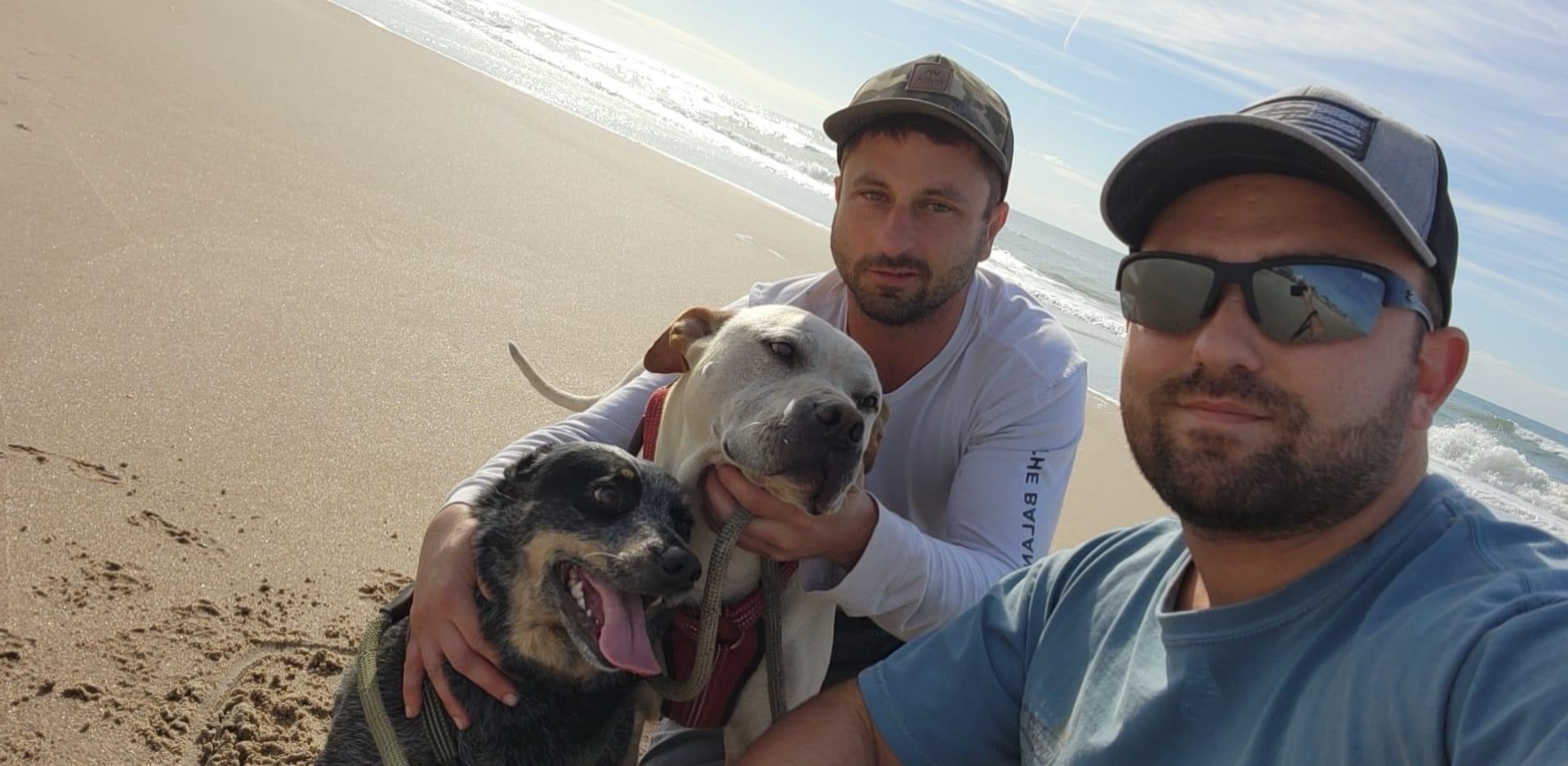
Cody describes the gym as something that keeps him grounded, especially during the winter months. In the summer, it’s all about the beach. Living just minutes from the coast, he spends long days near the water whenever he can. There are also his beloved dogs: Thor, his “sassy” blue heeler, and his sweet Rocky, a 16-year-old pit mix, who crossed the rainbow bridge just a month ago.
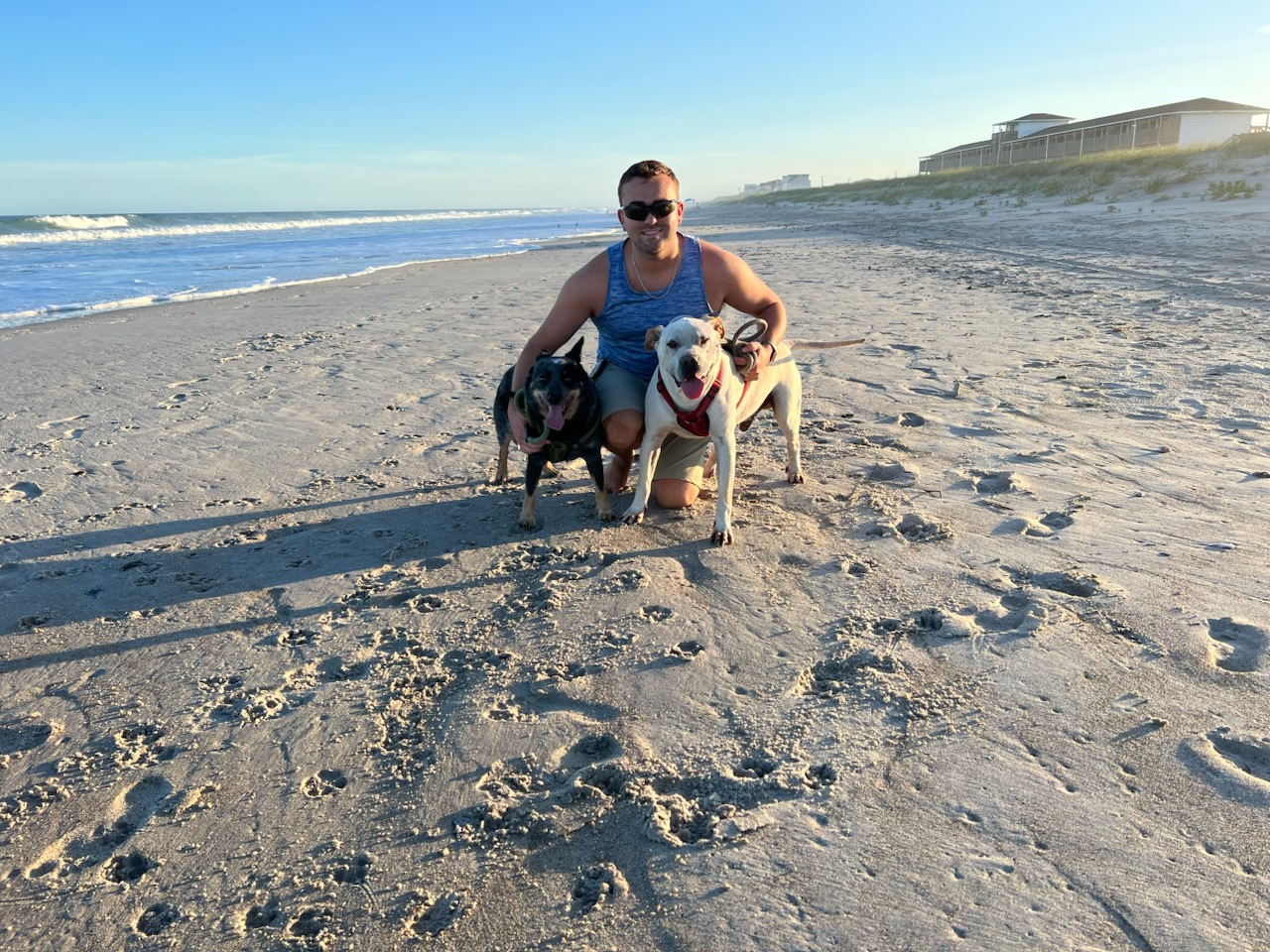
Decompressing and work-life balance have become increasingly important for Cody. He credits his husband with being both supportive and grounding throughout the constant movement of military life, career advancement, degrees, certifications and now teaching.
The Career He Chose Again
What began as the “least worst option” on a military job list has become a career built on discipline, leadership, teaching, and a genuine respect for the profession itself.
Whether supervising litigation staff, mentoring students or helping attorneys navigate complex legal matters, Cody brings the same mindset to the work. Show up prepared. Pay attention to the details. Keep learning. And maybe make time to use one of those fishing poles.
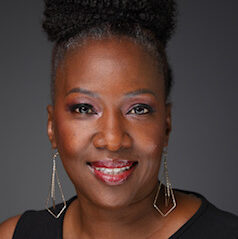
Lakisha Chichester, ACP, NCCP, is a certified paralegal and real estate broker in Durham, NC. With over a decade of experience in legal and regulatory compliance, real estate, and corporate governance, she is passionate about staying at the forefront of legal and real estate trends. When not working, Lakisha enjoys reading, spending time outdoors, and making memories with her six grandchildren.
***
The Paralegal Division Blog is managed by the Division’s Communications Committee. Via the blog, the Communications Committee provides information written by attorneys, paralegals, and other experts designed specifically for paralegals in the areas of substantive law, ethics, technology, paralegal practice advice, and more. If you are interested in signing up to submit a blog post on a future date, you can do so here. When you are ready to submit a blog post, you can do so by using this form.
You may also wish to participate in the Division by using our virtual suggestion box to submit suggestions/ideas to the Division Council, nominating a paralegal for Paralegal Spotlight, or completing the Paralegal Spotlight Questionnaire if you are nominating yourself. If you are interested in volunteering with the Communications Committee, please contact the Communications Committee Chair at [email protected]. If you are interested in joining other division committees, you can review a list of committees and sign up here.