
Through Our Eyes — A Paralegal’s View into Equitable Distribution
As a Family Law Paralegal, assisting clients with their Equitable Distribution (dividing the marital assets and debts) case can be very rewarding because you get to help clients build their case, and, oftentimes, clients learn new ways to help themselves. However, it can also be challenging and emotional for the client, and it involves a great deal of discovery. Over my 23 years as a paralegal, I have learned several important tips.
1. It is valuable to have an initial conversation with your attorney regarding the best way to obtain property values, depending on whether clients own a home, rental property, business property or own and run a business. Your attorney may want appraisals of properties or a business valuation done. I also find that a good place to get a general overview of some property values is to start with public documents you can access online regarding the various assets. You can look up the online values of real property, taxable property, vehicles, jewelry and collectibles.
2. It is helpful to have an initial conversation with your client about how to gather documents and what is needed for the Equitable Distribution case. Clients can be easily overwhelmed by the volume of documents needed if there are a lot of assets and debts. It can also be difficult if there is not a clear date of separation or the date is in dispute. Another difficult but very rewarding aspect of helping clients is when they don’t know how to obtain some of the financial documents necessary for their case. It is then our job as paralegals to usher them through this process gently and obtain the documents necessary. I have on many occasions met with clients in my office to help them print account statements and other documents that were needed for their case. This is probably the most rewarding part of my job: when I feel that I am not only guiding them through the process but also educating them on how to access documents and giving them confidence in moving forward with rebuilding their life.
3. One of the most difficult forms to complete is the Equitable Distribution Inventory Affidavit. Assisting clients as they complete this form can be a very tedious job, and clients often do not understand the legal definitions of marital or separate assets. I cannot stress enough the importance of being patient with clients when dealing with this document. It is also important to note that in some counties, this document is 30 pages long, while in other counties, the form is much shorter. Regardless of the county, this document can be vital in preparing a case for an Equitable Distribution Trial, as it will define for the Court the client’s position in Equitable Distribution.
4. Equitable Distribution cases can be very emotional for clients. I always try to keep in mind that when gathering information for Equitable Distribution, you are exposing the good, the bad and the ugly of someone’s personal and financial life. This can be embarrassing for a client. As a paralegal, you need to make it clear to the client that they are in a “no judgment zone.” Being patient with clients and helping them navigate their case can be challenging, but it is rewarding when you can see that your help has put them in a more favorable position.
5. Keeping my attorney informed is a key part of my work as a paralegal, particularly when a client shares with me that they believe they are entitled to a result that the law simply doesn’t allow for. At that point, a paralegal needs to inform the attorney about the client’s thoughts and expectations so that the attorney can have an open and honest conversation with the client and provide legal advice regarding these issues.
6. Careful review of all the financial documents is essential in every case. Often, I will do a review of the accounts and note any transfers or large debts/payments in the statements so that these are flagged for my attorney. It can be very rewarding to know that I have discovered information that helps my client get a result in their favor.
As a paralegal, there is a careful balancing act that we are constantly negotiating. We must help our clients focus on the relevant parts of their case and assist them in not allowing their emotions to cloud their ability to think clearly about a potential settlement of their property. We must be sure to relay all concerns of the client to the attorney, so that the attorney can address any issues that we, as paralegals, are not able to address. We must be patient, calm and understanding when dealing with clients. The relationship between a paralegal and a client is key to a successful Equitable Distribution case.
(If someone you know needs legal assistance, have them contact an attorney for a consultation. It is imperative that they get legal advice, even if someone is looking to represent themselves.)
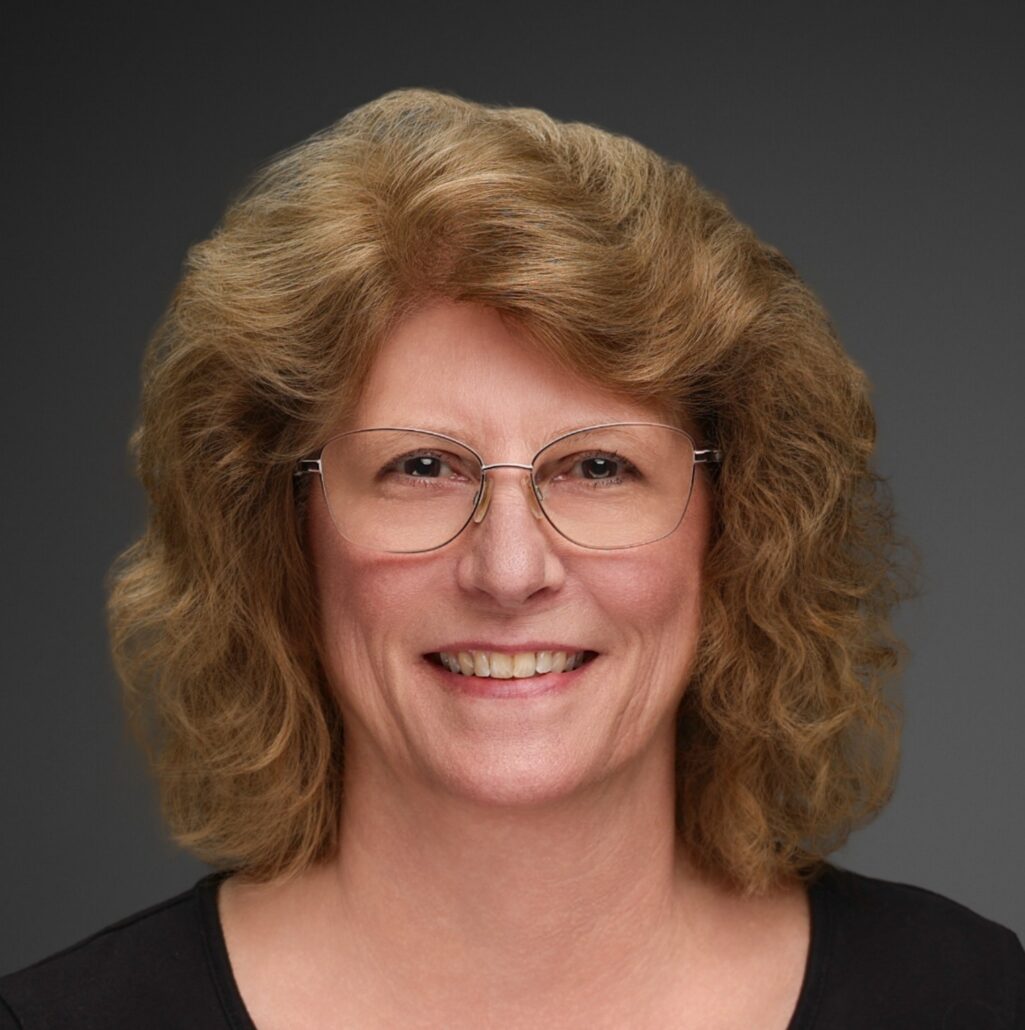
Peggy Pardue is a North Carolina Certified Paralegal with Hampson Family Law. She received the 2024 North Carolina Distinguished Paralegal Award. She is a member of the North Carolina Bar Association Paralegal Division — Family Law Section, a Council Member and former Treasurer for the Paralegal Division of the North Carolina Bar Association, the liaison for the Paralegal Division for the Family Law Section, Co-chair for the Communications Committee, a member of the Nominations Committee, and has been a Notary Public for over 30 years. She volunteered as a proctor for the North Carolina Paralegal Certification Exam and has volunteered for the High School Mock Trials. Peggy began working as a Paralegal in 2003 with Meredith J. McGill, P.A., and continued when the firm’s name changed to McGill & Hampson, P.A. She continued her role as a Family Law Paralegal transitioning to Hampson Family Law when it opened in 2017.
***
The Paralegal Division Blog is managed by the Division’s Communications Committee. Via the blog, the Communications Committee provides information written by attorneys, paralegals, and other experts designed specifically for paralegals in the areas of substantive law, ethics, technology, paralegal practice advice, and more. If you are interested in signing up to submit a blog post on a future date, you can do so here. When you are ready to submit a blog post, you can do so by using this form.
You may also wish to participate in the Division by using our virtual suggestion box to submit suggestions/ideas to the Division Council, nominating a paralegal for Paralegal Spotlight, or completing the Paralegal Spotlight Questionnaire if you are nominating yourself. If you are interested in volunteering with the Communications Committee, please contact the Communications Committee Chair at [email protected]. If you are interested in joining other division committees, you can review a list of committees and sign up here.